
Introduction
Gacha Life, developed by Lunime, is one of the most influential character-creation games in mobile gaming history. Released before its successor Gacha Club, the game laid the foundation for a massive global community built around storytelling, customization, and user-generated content.
Unlike traditional games that focus on objectives or competition, Gacha Life centers on self-expression. Players design anime-style characters, place them into scenes, and create narratives that are later shared across platforms like YouTube and TikTok. Over time, this simple system evolved into a full creative movement, where millions of users produce stories ranging from lighthearted comedy to emotionally complex drama.
1. The Birth of Character Customization Culture
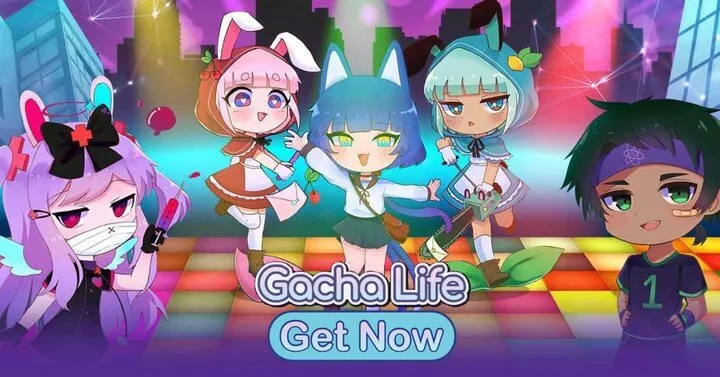
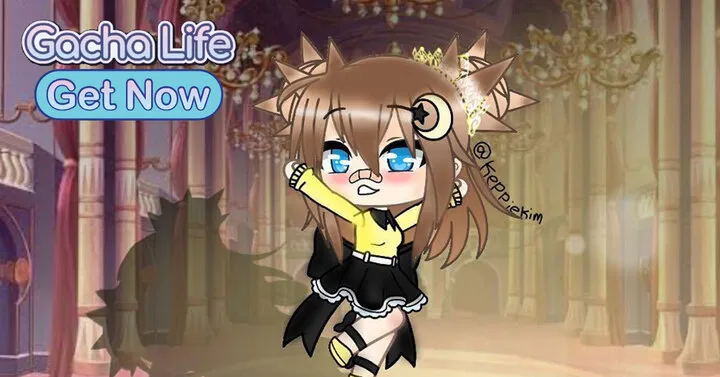
At its core, Gacha Life is a character creator.
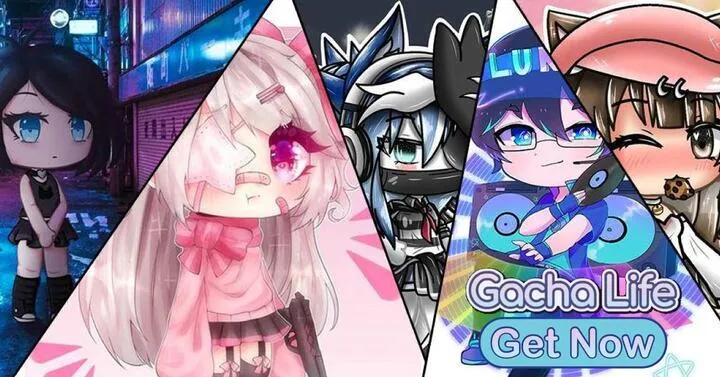
Players are given tools to design anime-style avatars with a high level of detail.
Customization Options
- Hairstyles and colors
- Eyes, expressions, and poses
- Clothing and accessories
- Props and background elements
This flexibility allows players to create characters that reflect personal identity or fictional concepts.
Personal Expression
Many players use the game to represent themselves digitally, making it more than just a design tool—it becomes a form of identity.
2. Studio Mode: The Beginning of Storytelling
Studio Mode is where Gacha Life transforms from a customization tool into a storytelling platform.
Studio Features
- Place multiple characters in a scene
- Add dialogue text
- Choose backgrounds
- Adjust poses and expressions
Players can create short scenes or entire story sequences.
Simple but Powerful
Despite its simplicity, Studio Mode allows users to build narratives similar to comics or visual novels.
3. Life Mode and NPC Interaction
One unique feature of Gacha Life is Life Mode.
Players can explore a small world and interact with non-player characters (NPCs).
Life Mode Activities
- Talk to characters
- Learn small story fragments
- Play mini-games
- Discover hidden interactions
This adds a light exploration element to the game.
Narrative Fragments
Although limited, these interactions give players inspiration for their own stories.
4. Mini-Games and Progression
To support gameplay, Gacha Life includes a set of mini-games.
These games reward players with gems.
Types of Mini-Games
- Reaction-based challenges
- Timing games
- Memory puzzles
They are simple but addictive.
Currency System
Gems earned from mini-games are used in the gacha system.
5. The Gacha System and Unlockables
The “gacha” mechanic allows players to unlock new characters and items.
Gacha Features
- Random character pulls
- Collectible outfits and accessories
- Surprise rewards
This system adds an element of chance and excitement.
Expanding Creativity
Unlocking new items increases the range of possible character designs.
6. The Rise of Gacha Videos Online
One of the biggest reasons for the game’s success is its presence outside the game.
Players create videos using their characters.
Popular Content Formats
- Mini movies
- Music videos
- Reaction skits
- Drama series
These videos gained millions of views online.
Platform Influence
Gacha Life content became a major trend on platforms like YouTube and TikTok.
7. Original Characters and Story Universes
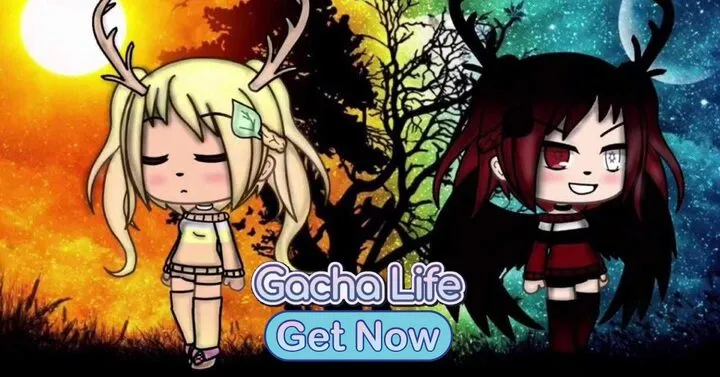
The concept of Original Characters (OCs) is central to the community.
OC Development
Players create:
- Unique personalities
- Backstories
- Relationships
OCs often appear in multiple stories created by the same user.
Expanding Worlds
Some creators build entire fictional universes using their characters.
8. Emotional Storytelling and Themes
Despite its simple design, Gacha Life is known for emotional storytelling.
Common Themes
- Friendship and loyalty
- School drama
- Romance
- Fantasy and supernatural elements
Some stories explore surprisingly serious topics.
Audience Connection
These themes resonate strongly with younger audiences, making the content highly shareable.
9. Controversy and Content Concerns
The open nature of the platform has also led to criticism.
Main Issues
- Inappropriate themes in user content
- Misrepresentation of sensitive topics
- Lack of moderation
These concerns are tied to how players use the tool rather than the tool itself.
Community Impact
The responsibility for content largely lies with creators.
10. Legacy and Transition to Gacha Club
Over time, Gacha Life was succeeded by Gacha Club, which expanded its features.
However, the original game still holds a special place.
Lasting Influence
- Introduced the Gacha storytelling format
- Built a massive global community
- Inspired countless creators
Continued Popularity
Even after newer releases, many players continue using Gacha Life for its simplicity.
Conclusion
Gacha Life is more than just a mobile game—it is the foundation of a global creative subculture. By combining character customization with simple storytelling tools, it empowered millions of players to create and share their own narratives. While it includes gameplay elements like mini-games and exploration, its true strength lies in its ability to serve as a platform for self-expression. Despite challenges related to content moderation, its impact on online creativity and storytelling remains undeniable, influencing both its successor Gacha Club and the broader world of user-generated content.