.webp)






Introduction
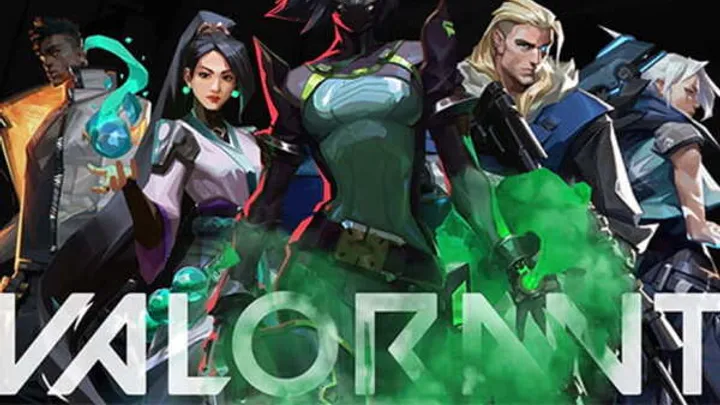
Valorant is one of the most competitive tactical shooters in modern gaming. While many players believe ranking up is simply a matter of improving aim, the reality is much more complex. Valorant combines precise gunplay, agent abilities, teamwork, map control, economy management, and decision-making into a highly strategic experience. A player with excellent aim can still lose consistently if they lack game sense, while a player with average mechanics can climb ranks through superior positioning and teamwork.
One of the biggest reasons players become stuck in a rank is that they focus on isolated skills instead of developing a complete system for improvement. They spend hours in aim trainers but never learn utility usage. They memorize lineups but fail to communicate effectively. They blame teammates without analyzing their own mistakes. As a result, their progress eventually plateaus.
This guide explains exactly how to rank up faster in Valorant by following a structured improvement process. Rather than offering random tips, the article follows the natural progression of a competitive match—from preparation before queueing to post-game analysis. By mastering each stage, players can consistently improve and achieve higher ranks.
How to Set Up Your Game for Consistent Performance
Before entering ranked matches, players should optimize their settings. Even the best strategies become difficult to execute if the game feels uncomfortable or inconsistent.
Many lower-ranked players constantly change sensitivity, crosshairs, and graphics settings after every bad match. This creates inconsistency and prevents muscle memory from developing properly.
Choose Comfort Over Popularity
Professional players use a wide range of settings. There is no magical sensitivity that automatically improves performance.
Instead, choose settings that allow comfortable movement and precise aiming.
Important Setup Priorities
- Stable frame rate
- Low input latency
- Comfortable sensitivity
- Clear crosshair
- Consistent resolution
- Good audio settings
The goal is to eliminate distractions and create a reliable playing environment.
How to Improve Your Aim Without Wasting Hours
Aim remains one of the most important skills in Valorant, but many players train inefficiently.
Some spend hours practicing flick shots despite the fact that most kills come from proper positioning and crosshair placement rather than flashy mechanical plays.
Focus on Fundamentals First
Good aim starts before enemies appear on screen.
If your crosshair is already positioned correctly, aiming becomes significantly easier.
Build a Simple Practice Routine
Consistency matters more than marathon training sessions.
Recommended Daily Aim Routine
- Five minutes of bot practice
- Ten minutes of deathmatch
- Crosshair placement drills
- Movement accuracy training
- Competitive matches
A focused twenty-minute routine often produces better results than two hours of unfocused practice.
How to Master Crosshair Placement
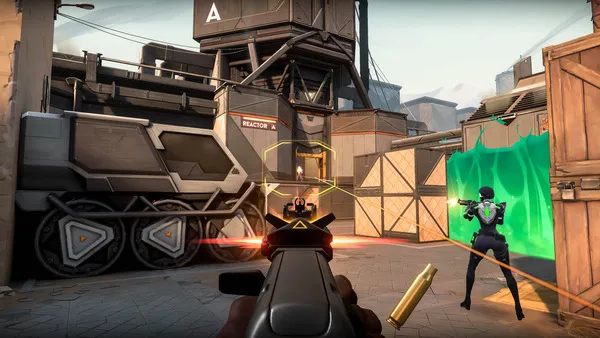
Crosshair placement is arguably the fastest way to improve.
Many players keep their crosshair pointed at the floor while moving. This forces large corrections whenever an enemy appears.
Keep the Crosshair at Head Level
Every angle should be approached with your crosshair positioned where an opponent's head is likely to appear.
This reduces reaction time and improves first-shot accuracy.
Pre-Aim Common Positions
As map knowledge improves, players begin anticipating enemy locations.
Benefits of Good Crosshair Placement
- Faster reactions
- Easier headshots
- Less panic aiming
- Better consistency
- Higher duel success rate
Many players gain rank simply by improving this single skill.
How to Choose the Right Agent for Improvement
One common mistake is constantly switching agents.
While flexibility is useful, mastering a small pool of agents leads to faster improvement.
Specialize Before Expanding
Choose two or three agents that fit your preferred playstyle.
Learn every aspect of those agents before moving on to others.
Understand Your Role
Different agent classes have different responsibilities.
Agent Categories
- Duelists: Entry and aggression
- Initiators: Information gathering
- Controllers: Area control
- Sentinels: Defensive utility
Knowing your role helps you contribute more effectively to the team.
How to Use Utility Like High-Ranked Players
Abilities separate Valorant from traditional tactical shooters.
Many players either waste utility early or forget to use it entirely.
Every Ability Needs a Purpose
Before using an ability, ask yourself what advantage it creates.
Utility should gather information, create space, deny space, or support teammates.
Avoid Random Ability Usage
Throwing utility without a plan often hurts your own team.
Questions to Ask Before Using Utility
- What am I trying to accomplish?
- Who benefits from this ability?
- Is now the right time?
- Can this be saved for later?
- Does it support the team strategy?
Smart utility frequently wins rounds before gunfights even begin.
How to Communicate Effectively in Ranked Matches
Communication is one of the biggest differences between low and high ranks.
Strong communication provides information that allows teammates to make better decisions.
Keep Callouts Short and Clear
Long explanations during combat create confusion.
Provide only the information your teammates need immediately.
Focus on Useful Information
Examples of Valuable Callouts
- Enemy location
- Number of opponents
- Damage dealt
- Utility used
- Spike location
Good communication improves the performance of the entire team.
How to Improve Mid-Round Decision Making
Many rounds are not won during the opening fight.
The middle portion of a round often determines the outcome.
Adapt to Changing Information
As the round progresses, players must update their understanding of enemy positions and intentions.
The best decisions are based on current information rather than assumptions.
Evaluate Every Situation
Key Factors to Consider
- Number advantage
- Utility remaining
- Time remaining
- Map control
- Enemy tendencies
Strong decision-making consistently outperforms raw mechanics.
How to Manage Your Economy Properly
Economy management influences every round.
Many players sabotage their team by making poor buying decisions.
Think Several Rounds Ahead
Purchases should support future rounds, not just the current one.
A coordinated team economy creates more opportunities to win.
Learn When to Save
Saving can feel frustrating, but it often increases long-term success.
Basic Economy Principles
- Buy together
- Save together
- Avoid unnecessary purchases
- Prioritize rifles
- Coordinate with teammates
Economic discipline wins more games than most players realize.
How to Handle Losing Streaks and Tilt
Mental strength is one of the most overlooked skills in Valorant.
Even highly skilled players perform poorly when frustrated.
Separate Emotion from Performance
A single bad match does not define your ability.
Allowing frustration to influence decisions usually creates additional losses.
Recognize Signs of Tilt
Warning Signs
- Blaming teammates constantly
- Overaggressive plays
- Poor communication
- Emotional decision-making
- Loss of focus
Taking a short break often improves results more than forcing additional games.
How to Create a Long-Term Improvement System
The final step is developing a sustainable approach to growth.
Many players improve briefly but eventually plateau because they lack structure.
Focus on Process Instead of Rank
Rank is simply a reflection of skill.
Improvement should be the primary objective.
Build a Daily Routine
Example Improvement Schedule
- Warm-up aim training
- Utility practice
- Competitive matches
- Match review
- Identify one mistake to fix
Small improvements repeated daily create major long-term progress.
Track Meaningful Statistics
Instead of focusing exclusively on rank, monitor:
- Headshot percentage
- Utility effectiveness
- First kill success rate
- Death positioning
- Communication quality
These metrics reveal whether genuine improvement is occurring.
Conclusion
Ranking up in Valorant is not about discovering secret tricks or relying on exceptional aim alone. True improvement comes from mastering a collection of interconnected skills that influence every round. Mechanical accuracy, crosshair placement, utility usage, communication, economy management, positioning, and mental discipline all contribute to success. Ignoring any one of these areas creates weaknesses that opponents can exploit.
The journey from Iron to Immortal begins with strong fundamentals. Players who optimize their settings, practice efficiently, master their chosen agents, and communicate effectively gain a significant advantage over those who focus only on kills. As experience grows, advanced concepts such as economy management, mid-round adaptation, and emotional control become increasingly important.
Most importantly, long-term improvement requires patience. Ranking systems reward consistency, not occasional standout performances. Players who commit to a structured improvement process, review their mistakes honestly, and focus on learning rather than immediate results will steadily climb the competitive ladder. By applying the principles outlined in this guide, you can build the habits necessary to become a stronger, smarter, and more successful Valorant player.